
The PSHE Curriculum
Intent
The intent of our PSHE curriculum is to provide a coherent, progressive programme that supports pupils’ personal, social and emotional development from the Early Years through to Key Stage 2. Our aim is to equip pupils with the knowledge, skills and understanding they need to lead safe, healthy and fulfilling lives, both now and in the future. It is designed to nurture confident, respectful and resilient individuals who are able to understand and manage their emotions, build and maintain positive relationships, and make informed decisions. A key driver of the curriculum is safeguarding, ensuring that children develop a strong awareness of personal safety, including understanding boundaries, consent and how to seek help when needed. It also aims to prepare pupils to be active, responsible citizens who appreciate diversity, challenge stereotypes and contribute positively to their communities. Through a progressive and reflective approach, the curriculum supports pupils in developing independence, self-worth and the ability to navigate an increasingly complex world with confidence and empathy.
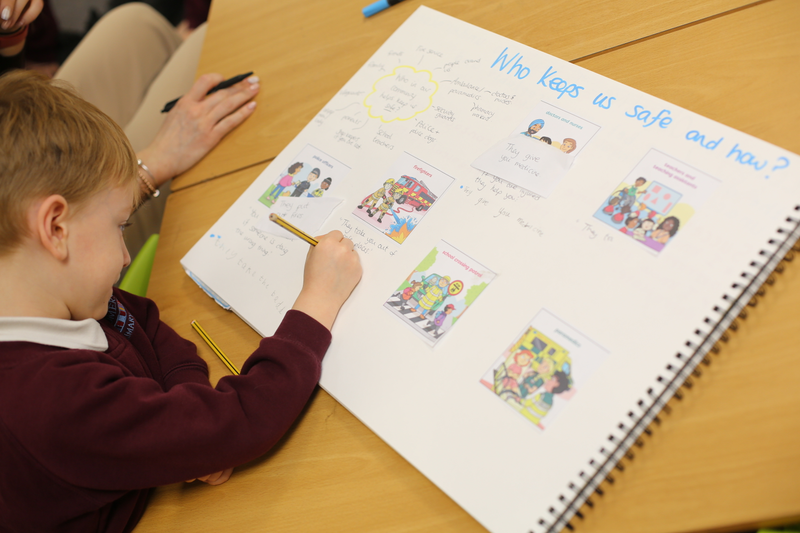
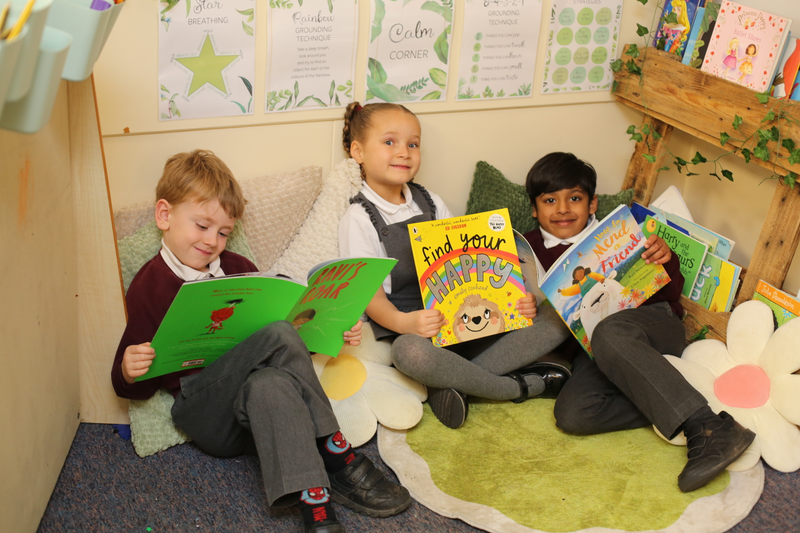
How do we teach PSHE at Gomersal?
In EYFS and Key Stage 1, PSHE is taught weekly, with a shift to fortnightly delivery in Key Stage 2, ensuring age-appropriate depth and reflection as pupils mature. The curriculum is underpinned by a strong focus on safeguarding, with half-termly revisiting of the NSPCC PANTS rule and the development of understanding around consent, personal boundaries and keeping safe. Across all year groups, learning is carefully sequenced to build knowledge and skills in areas such as relationships, emotional wellbeing, citizenship, and health, alongside a wide range of personal development opportunities that enrich pupils’ experiences and prepare them for life beyond school. Teaching approaches are flexible and inclusive, allowing children to engage in discussion, reflection, and collaborative activities, with learning evidenced through floorbooks. This approach ensures that pupils can demonstrate their understanding in a variety of meaningful ways, without reliance on worksheets, promoting pupil voice, collaboration, creativity and deeper learning.
We have developed our Relationships and Sex Education (RSE) curriculum using the Kapow Primary scheme as the foundation. This is supplemented with a range of high-quality resources to ensure that our curriculum meets the contextual needs of our pupils and school community. By adapting and enhancing the scheme where appropriate, we provide an inclusive, relevant and age-appropriate curriculum that reflects the experiences, values and safeguarding needs of our children while meeting statutory requirements.
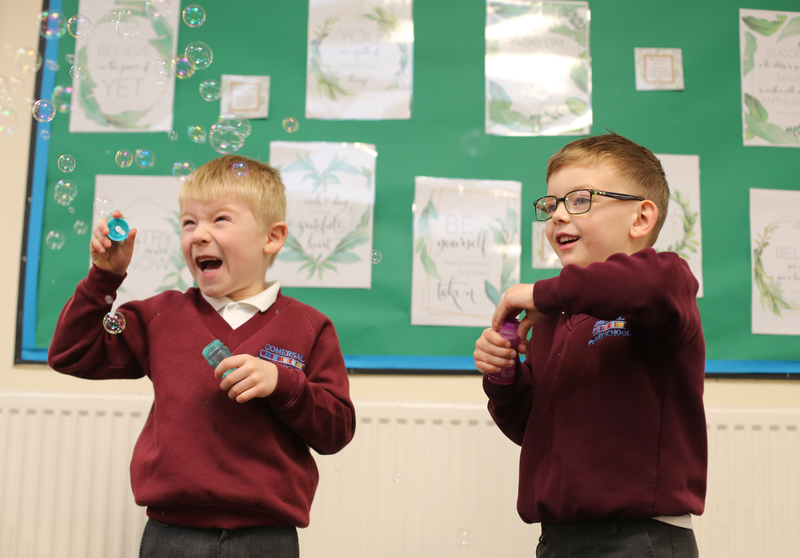
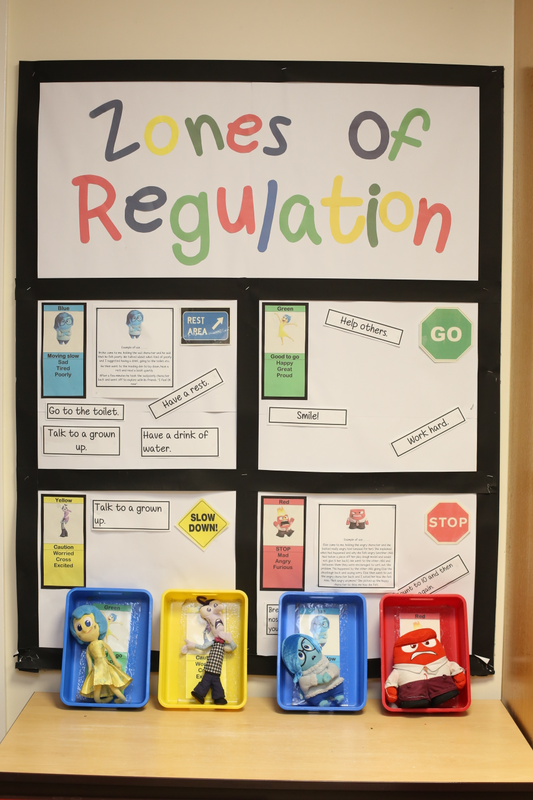
Zones of Regulation
To further support pupils’ mental health and emotional wellbeing, the curriculum is enhanced through the consistent use of the Zones of Regulation. This approach provides children with a shared language to recognise, understand and communicate their emotions, helping them to identify how they are feeling and why. The Zones are embedded across the curriculum and used in daily practice, enabling pupils to regularly reflect on their emotional state and access appropriate strategies (tools) to regulate themselves. Through this, children are supported to develop self-awareness, resilience and independence in managing their feelings, whether in the classroom or wider school environment. By revisiting and applying the Zones in different contexts, pupils learn that all emotions are valid, while also understanding how to respond to them in safe and appropriate ways, ultimately promoting positive mental health, emotional literacy and readiness to learn.
Picture News Assemblies
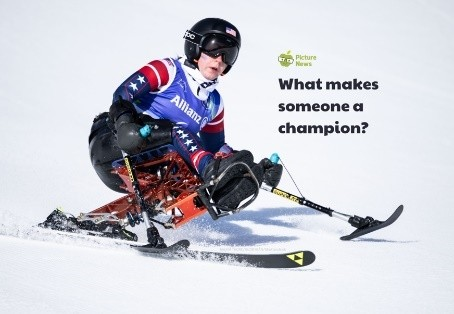
At Gomersal, we use ‘Picture News’ in whole-school weekly assemblies. These assemblies are released weekly and are introduced to the children through a picture and matching question. Each assembly has clear links to British Values, UN Rights of the Child and Protected Characteristics; children are encouraged to share their views and understanding of the week’s question and topic and listen actively to one another’s opinions. Using Picture News supports children’s understanding of the world by exposing them to current, real-life news stories in an age-appropriate and accessible way. It helps pupils develop curiosity about global events, different communities, and key issues such as equality, the environment, and responsibility, while building their ability to ask questions and think critically about what they see and hear. This directly enhances PSHE learning by providing meaningful contexts for discussing values, respect, empathy, and decision-making, encouraging children to reflect on their own views and behaviours in relation to wider society. As a result, pupils not only become more informed about the world around them but also develop important personal, social, and emotional skills that support them in becoming thoughtful, responsible citizens.

How can parents help at home?
- NHS – Children and young people’s mental health: https://www.nhs.uk/mental-health/children-and-young-adults/
- NHS guidance for parents: https://www.nhs.uk/mental-health/children-and-young-adults/advice-for-parents/
- YoungMinds parents’ support and advice: https://www.youngminds.org.uk/parent/
- NSPCC advice for parents: https://www.nspcc.org.uk/keeping-children-safe/support-for-parents/
- Mind parenting and mental health resources: https://www.mentalhealth.org.uk/explore-mental-health/a-z-topics/parenting-and-mental-health
RSE Parent Consultation - July 2026
Please read our updated long term overview and RSHE policy, and share feedback at office@gomersalprimaryschool.co.uk by Monday 13th July 2026.
PSHE Long Term Overview - updated to reflect RSE guidance 2026
Coming soon - 2026 PSHE Progression of Knowledge and Skills


